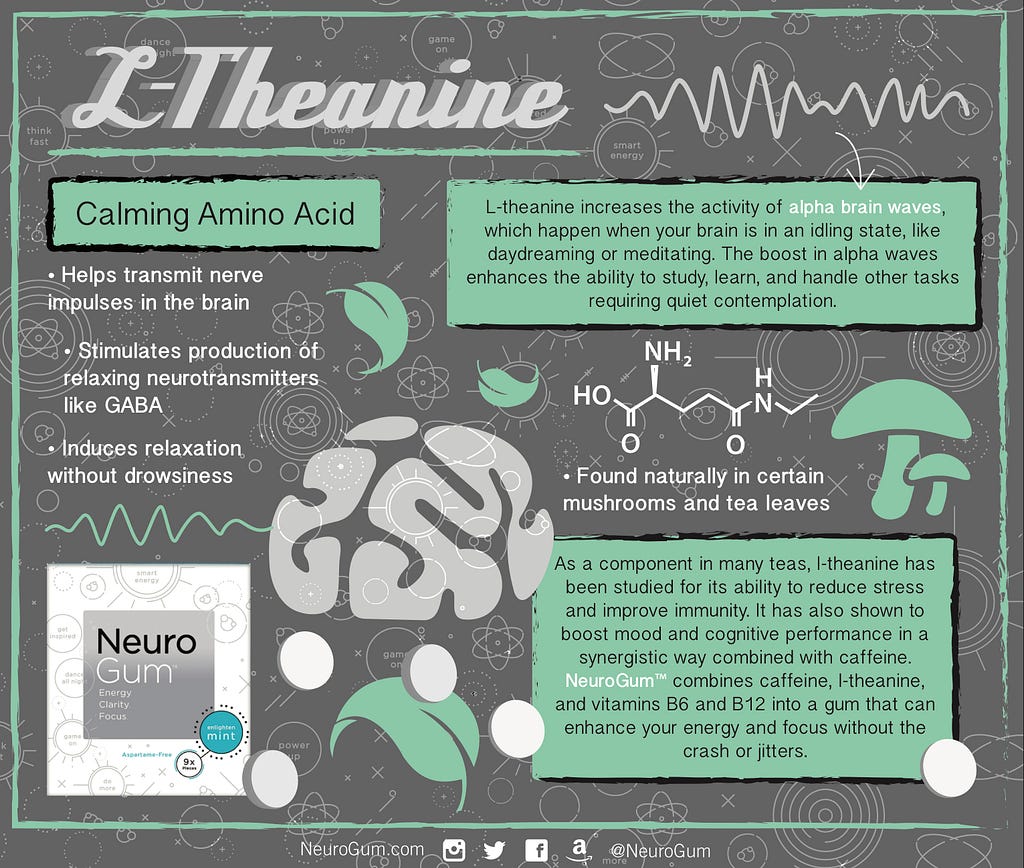
WHAT IS L-THEANINE?

1) A NATURAL STRESS RELIEVER
2) TREATS INSOMNIA
3) A GREAT MOOD ENHANCER

4) PROTECTS NERVES AND PROMOTES NERVE GROWTH

5) HELPS PROMOTE HEALTHY CARDIOVASCULAR SYSTEM
6) PROMOTES ALERTNESS AND ENERGY

Free shipping on all orders $50+


Summer has a sneaky quality: it feels infinite in June and somehow already nostalgic by August. One minute you're making ambitious plans — weekend road trips, sunrise hikes, backyard cookouts that stretch into the evening — and the next, you're wondering where July went. Making the most of summer doesn't just happen. It takes a little intention. And a lot less running on empty. No matter if you're looking for summer bucket list ideas to share with friends, weekend plans that don't require a full week of recovery, or just a way to actually feel present during the season you've been building toward all year, this is your guide. Why You Deserve to Enjoy Summer Most adults don't fully stop in the summer. You're still showing up, still juggling everything, but the season carries a real permission to slow down, go outside, and be a little less serious about the serious stuff. There's a reason you feel genuinely better after a weekend in the woods or a few hours at the beach. Time outside clears the mental noise, and time with people you actually like fills something back up. Summer is one of those rare windows where both happen naturally, which makes it worth showing up for, not just surviving. How Can I Make the Most of Summer? If you're asking this, you're already ahead — because you're approaching it with intention instead of letting summer just happen to you. Here's what actually works. 1. Decide what summer means to you this year. Not what it looked like last year or what your social feed says it should look like. More rest? More adventure? More quality time with specific people? Start there before you start planning. 2. Set a few anchor moments — and commit to them. You don't need to schedule every weekend. But 3–5 non-negotiable plans give your summer shape and something to look forward to. These become the markers that make the season feel full instead of fast. 3. Use the weekdays too. Summer isn't only weekends. Have dinner at that outdoor spot you've been meaning to try. Say yes to a Tuesday concert. Meet your friends after work instead of catching up over text. The weekdays are where summer either slips by or gets lived — small decisions turn ordinary days into something worth remembering. 4. Be present when you're in it. You can do all the right things and still miss them if you're mentally somewhere else. Put the phone away. Be in the conversation, on the trail, at the table. Presence is the whole point. 5. Fuel yourself to stay in the game. A packed calendar is useless if you arrive to everything already running on empty. Sleep and hydration are obvious — but for those long afternoons where you still have a cookout, a concert, or a sunset hike ahead, it helps to have something that keeps you sharp without overdoing it. Neuro's new Energy & Focus Gum in Watermelon is worth keeping in your bag. It's a smart gum — natural caffeine, L-theanine, and B vitamins in a lighter 20mg dose that gives you a clean, focused lift without the crash. Summer companion energy, not a morning stack replacement. Zero sugar, tastes like summer. Neuro Energy & Focus Gum Watermelon (Limited Edition) — a fresh, juicy take on clean energy, with natural caffeine, L-theanine, and B vitamins. Find it at the Neuro website. 6. Don't wait for the "right" weekend. The perfect plan is the one you actually execute. A spontaneous afternoon at a new park will outlast a meticulously planned trip that never gets booked. Start small, start soon. Summer Bucket List Ideas for Adults (That Actually Happen) Think of this less as a checklist and more as a permission slip. Pick what lights you up. Leave the rest. Water Everything Spend a full beach or lake day with zero agenda — no itinerary, just water and your friends/family Try paddleboarding, kayaking, or an open-water swim for the first time Set up a backyard slip-and-slide (yes, even as an adult — especially as an adult) Catch an outdoor movie at a rooftop cinema or drive-in Track down a waterfall within driving distance and actually go Get Outside for Real Plan a sunrise hike — trails are quieter, temperatures are cooler, and the light is unmatched Hit a farmers market in a neighborhood you've never been to Book one camping night — even a single night is enough to reset everything Try outdoor yoga or an early morning run in a new part of your city Go stargazing somewhere with low light pollution Summer Culture Catch an outdoor concert or free music festival — most cities have more of these than people realize Explore a food truck festival or neighborhood block party Take a cooking class centered on a seasonal ingredient (extra points if grilling is involved) Visit a state or national park you've never been to Go to a baseball game — there is simply nothing more summer than a baseball game Make It Social Host a backyard cookout with an actual theme Plan a sunset picnic with your favorite people and zero screens Start a summer book club: one book, one outdoor meetup per month Do a road trip — even three hours away counts, and the car conversations are always the best part Volunteer for a local outdoor community project How to Make the Most of a Long Weekend If you're an adult trying to actually use your weekends instead of recovering from the week, this is for you. Experiences that feel intentional without feeling like a second job. Here are some suggestions for each day. Friday Night: A real dinner, an after-dinner walk, and an early enough night so Saturday morning actually feels good. Saturday Morning: Before the heat and the phone start competing — farmers market, slow coffee, porch time. Don't scroll. Saturday Afternoon: Half-day hike, day trip to a nearby town, afternoon on the water. One good afternoon beats three mediocre evenings. Sunday: Slow morning, something outdoors, a good meal, one small thing that sets up your week. A great Sunday changes everything. The Best Summer Outdoor Activities Summer outdoor activities don't have to mean training for anything. The best ones are the ones you actually do and enjoy enough to do again. When You Want to Move Hiking — Even a 2-mile trail with a good view counts Swimming — Open water, lake, or pool; the one cardio that never feels like cardio Pickleball or tennis — Easy to pick up, genuinely social, and addictive in the best way Trail running or cycling — Better in summer than any other season Outdoor fitness classes — Many parks offer free boot camps and yoga all summer long When You Want to Be Outside Without Trying That Hard Hammocking in a park — deeply underrated Outdoor reading with a cold drink somewhere with actual shade Birdwatching — genuinely meditative once you try it Lawn games: bocce, cornhole, croquet, ladder toss Sunset watching from somewhere intentional — pick a great spot, show up, sit down When You Want to Learn Something New Take a paddleboard or surfing lesson Try outdoor rock climbing with an intro session at a local gym Join a trail running group for a guided group run Sign up for a foraging walk with a local naturalist guide Take a cooking class built around summer produce The Bottom Line Summer rewards effort to plan something, show up for it, and stay present enough to actually experience what you've built. You don't need a perfect plan. You need a few good ones, the energy to see them through, and the presence of mind to be there when they happen. Your smarter summer starts right now. Don't let August be the thing that reminds you it was possible. Ready to stay in it all summer long? Grab Neuro Energy & Focus Gum in the new limited-edition Watermelon flavor! Clean energy, zero sugar, and the taste of summer in every piece.
Learn moreAt your desk at 2:00 PM, feeling drained already. However, a ton of work awaits: emails to respond to, reports to analyze, an article to finish, or you must maintain your focus on studying. You reach out to your ice-cold, fizzy, sugary energy drink. You feel refreshed. It does the job—until it doesn’t. After half an hour, the inevitable happens. Your eyelids get heavy. The brain fog rolls in. You're suddenly more exhausted than you were before you popped the tab. Now, you have lost your focus and boarded the blood sugar rollercoaster. You need 'good energy' rather than high-octane intensity. If you are tired of the afternoon slump, it is time to look closely at what is fueling you. The Hidden Cost of Sugar-Fueled Energy Traditional energy drinks and sugary snacks are designed for a quick thrill, not sustained performance. When you consume heavily sweetened beverages, your body experiences a rapid blood sugar spike. The sudden surge caused by these beverages or snacks forces your pancreas to release excessive amounts of insulin to bring those glucose levels back down. Often, the insulin overreaction leads to a sharp drop in blood sugar, known as reactive hypoglycemia. As a result, abruptly, your energy levels hit rock bottom, and you crave more sugary fixes. It is a vicious cycle. And keep in mind that "reduced sugar" is not the same as "zero sugar." Even moderate amounts of added refined sugars can initiate this spike-and-crash loop. What "Sugar-Free" Really Means (and What to Watch For) If you think "sugar is the problem, so the solution should be sugar-free," think again. Not all "sugar-free" labels are created equal. The type of sweetener matters for your metabolic health. Stevia: Extracted from plant leaves, stevia has no measurable effect on fasting glucose levels, according to research (Stamataki et al., 2020). Xylitol: This sugar alcohol has a glycemic index (GI) of approximately 7, compared to table sugar's GI of 65. While it has a minimal glycemic impact (Natah et al., 1997), individual responses can vary. Monk Fruit: A natural sweetener that may reduce post-meal glucose responses. Aspartame: Many diet sodas and gums have this ingredient, but it has raised concerns regarding its metabolic effects. At Neuro, we prefer clean, natural alternatives. That is why Neuro Energy & Focus Gum is sweetened entirely with xylitol, monk fruit, and steviol glycosides. Zero aspartame. Zero sugar. 5 Sugar-Free Ways to Power Through Your Day Sugar is certainly a useful ingredient for quick boosts of energy and focus, but its impact is limited and appropriate only for certain situations. If you want more 'uptime' during the day, without the midday meltdown, you need smarter solutions. Start Your Morning With Protein, Not Carbs You know the drill. You wake up, grab a pastry or a bagel, and rush out the door. It feels amazing for about an hour. Then 10:00 AM hits, and you are completely wiped out. Why does it happen? While carbohydrates break down rapidly into sugar and flood your bloodstream, protein provides a gradual energy release. So, you save yourself from the loop. If you swap the cereal or pastry for eggs, a protein shake, or Greek yogurt, your future self will thank you. Hydrate Before You Caffeinate Brain fog often masquerades as exhaustion. In reality, you are probably just dehydrated. Water is absolutely essential for basic cellular function. When you lack water, your body has to work overtime, which quickly drains your energy reserves. Before you even think about pouring that first cup of coffee, drink a large glass of water. Keep a bottle on your desk. Make it a habit. Pair Your Caffeine With L-Theanine We all love the caffeine lift. We hate the jitters and the inevitable crash. The relationship between caffeine and blood sugar is anything but ordinary. However, we pair natural caffeine with L-theanine, an amino acid that smoothes out psychological spikes caused by caffeine, changing the game. Studies (Spaulding & Yan, 2022) suggest L-theanine regulates glucose via AMPK signaling, offering possibilities for metabolic support. When you consume products that combine both ingredients, you get calm clarity without anxiety. Snack Smart With Low-Glycemic Foods It's 3:00 PM. You hear the vending machine shouting your name. Don't do it. Sugary snacks cause a rapid glucose spike followed by a massive insulin dump. That insulin overreacts, dropping your blood sugar sharply and leaving you hungrier and more tired than before. Low-glycemic foods bypass this reaction entirely. Smart snacks, such as almonds, pumpkin seeds, or string cheese, satisfy the craving without triggering the spike-and-crash cycle. Don't Do Cans, Use Functional Gum Instead Energy drinks are a trap. They promise the world but deliver a sticky, sugary mess. Your body absorbs liquid sugar incredibly fast, causing a quick rise and a hard fall. Chewing functional gum provides a clean lift without the liquid volume or the sugar. It's pocket-sized, discreet, and puts you entirely in control of your focus. Why Functional Gum Is the Cleanest Energy Format Let's evaluate your possible energy sources. Energy drinks are bulky, messy, and packed with questionable ingredients. Energy bars and other sugary sources are pretty much the same. We all love coffee, but it can leave you with the jitters. Functional gum is different. Every piece of Neuro Gum contains 0g of sugar, utilizing only xylitol, monk fruit, and stevia. The formula delivers 40mg of natural caffeine and 60mg of L-theanine to support mental endurance without the tremors. It is keto-friendly, vegan, and completely free of aspartame. We even put our formulation to the test in a pilot study with BrainCo Inc. to ensure it delivers the focus you need. Need a bigger lift? Extra Strength Gum provides 100mg of caffeine per piece. Looking to stay dialed in late at night? Memory & Focus Gum is caffeine-free and sugar-free. We also offer Energy & Focus Mints if that is more your speed. Building Stable Energy Habits (Beyond What You Chew) Of course, depending on supplements is not enough for good, clean energy. You must adopt a lifestyle to reinforce your well-being. If you want to feel present and capable all day, you need to look at the big picture. Guard Your Sleep Schedule High-quality sleep is the foundation of daytime energy and cognitive function. All the clean energy supplements won't be enough to hack it. A good night's sleep is a must for clearing out metabolic waste and consolidating memories. Rethink Your Meal Content A massive, carb-heavy lunch is a one-way ticket to sleep town. When you consume large, high-glycemic meals in the middle of the workday, your digestive system demands a massive share of your body's resources. Move After You Eat Going back to your desk immediately after lunch is one of the worst mistakes if you want to stay sharp until the end of your workday. Taking (at least) a 10-minute walk after meals helps your muscles absorb glucose from your bloodstream, naturally regulating your blood sugar levels and keeping your energy steady. Set a Caffeine Curfew Caffeine is a brilliant tool, but it has a half-life. If you consume it too late in the day, it will wreck your sleep architecture, practically guaranteeing you will wake up exhausted the next day. Restrict your caffeine intake to the morning and early afternoon. Take B Vitamins B vitamins help your body convert nutrients into usable cellular energy. Consuming foods rich in B vitamins or taking supplements containing B6 and B12 supports that process. FAQ Does xylitol spike blood sugar? Xylitol’s glycemic index is approximately 7, compared to table sugar's 65. Research indicates it has a minimal effect on blood sugar and insulin levels in most people. How much caffeine is in Neuro Gum and Mints? Energy & Focus Gum contains 40mg of natural caffeine per piece. Extra Strength contains 100mg. Memory & Focus Gum is caffeine-free. Can I use Neuro on a keto diet? Yes. Neuro Gum contains 0g sugar and 0g net carbs, making it fully compatible with ketogenic and low-carb diets. What sweeteners does Neuro use instead of sugar? We use xylitol, monk fruit extract, and steviol glycosides. We never use aspartame. Ditch the sugar crashes and fuel your day with clean, sustained focus. Shop a Neuro Bundle today and experience good energy for yourself. *These statements have not been evaluated by the Food and Drug Administration. This product is not intended to diagnose, treat, cure, or prevent any disease. References: Stamataki, N. S., Crooks, B., Ahmed, A., & McLaughlin, J. T. (2020). Effects of the Daily Consumption of Stevia on Glucose Homeostasis, Body Weight, and Energy Intake: A Randomised Open-Label 12-Week Trial in Healthy Adults. Nutrients, 12(10), 3049. https://doi.org/10.3390/nu12103049 Spaulding, H. R., & Yan, Z. (2022). AMPK and the Adaptation to Exercise. Annual Review of Physiology, 84, 209-227. https://doi.org/10.1146/annurev-physiol-060721-095517 Natah, S. S., Hussien, K. R., Tuominen, J. A., & Koivisto, V. A. (1997). Metabolic response to lactitol and xylitol in healthy men. The American Journal of Clinical Nutrition, 65(4), 947-950. https://doi.org/10.1093/ajcn/65.4.947
Learn moreYou know that feeling where it's midnight, your notes are open, and you’re reading the same paragraph over and over? That's not laziness. That's what happens when your brain is running on the wrong fuel at the wrong time of night. Plenty of students push through on willpower and coffee, but if you want the late-night study tips that actually make a difference, a lot of it comes down to things most people don't discuss: dose, timing, and what you pair your caffeine with. Why Late-Night Studying Feels So Draining After about 9 or 10 PM, your body has already started preparing for sleep, whether you asked it to or not. Melatonin is rising, core temperature is dropping, and the parts of your brain responsible for focus and working memory are running at reduced capacity. You can push through it, but you're paddling upstream. This is why figuring out how to study late at night isn't just a motivation problem. The right support helps. The wrong kind, like a 200 mg caffeine hit from an energy drink, tends to make things noticeably worse. The Problem With Traditional Caffeine for Studying Coffee gets a lot of credit it doesn't always deserve, at least not in the quantities most students use it. A standard 8 oz cup sits around 96 mg of caffeine. Fine. But when you're on your third one at midnight, that's closer to 300 mg landing in your system across a few hours, plus the acidity hitting your stomach, plus the fact that caffeine stays in your bloodstream for hours and can quietly wreck the sleep you were planning to get after studying. Energy drinks are no betterSome are loaded with 200-plus mg of caffeine alongside sugar and stimulant stacks that create exactly the kind of scattered, jittery focus that makes it hard to actually retain what you're reading. You feel alert, technically, but it's not clean alertness. So What Actually Causes the Jitter? Caffeine works by blocking adenosine receptors, which are what signal to your brain that you're getting tired. Block them and you feel more awake. Pretty simple. The problem is that at higher doses, you also start triggering a cortisol and adrenaline response, which is essentially your nervous system thinking something stressful is happening. Heart rate up, hands a bit shaky, thoughts jumping around. That's the jitter. Research published in Nutritional Neuroscience confirmed these negative effects show up reliably when caffeine is taken without anything to counterbalance it.* The Science Behind Jitter-Free Energy L-theanine is an amino acid that occurs naturally in green tea leaves. On its own, it creates something like relaxed alertness, a calm focus rather than sedation. And when you put it together with caffeine, the two genuinely complement each other in a way that's been studied pretty thoroughly. Caffeine handles the wakefulness side. L-theanine takes the edge off the jitteriness and anxiety that caffeine alone causes. A 2010 study by Giesbrecht et al. found that the combination improved cognitive performance on attention tasks better than either alone.* Research from the British Journal of Nutrition found it helped even in sleep-deprived young adults, which is basically every student pulling a late session.* A 2:1 ratio of L-theanine to caffeine is the sweet spot most of the research points to. That's the caffeine L-theanine focus without jitters combination that actually makes this work. So when people go searching for real energy without jitters, or supplements for energy and focus without jitters, the L-theanine and caffeine pairing is what the evidence consistently points back to. Not a magic ingredient. Just a well-studied combination most caffeine sources skip entirely. What B-Vitamins Are Actually Doing Here B6 and B12 are involved in energy metabolism and neurotransmitter production. Low B12 in particular correlates with mental fatigue and mood dips. When you're already fighting your circadian rhythm at midnight, having them in your stack matters. One More Thing: Chewing Itself Helps Bit of a weird one, but USC Viterbi research found that the physical act of chewing gum is associated with improved short and long-term memory, likely tied to increased cerebral blood flow. So reaching for the best gum for studying focus isn't just about what's in it. The chewing part is doing something too.* 7 Practical Ways to Fuel Your Late-Night Study Session Okay, practical stuff. Here's how to stay focused while studying at night without running yourself into the ground by 2 AM: 1. Water before anything else: Mild dehydration noticeably reduces cognitive performance and most people studying late are already a bit dehydrated. Get a full glass before you even open your notes. 2. Eat something real: Your brain needs glucose, but the type matters. A bag of chips will spike your blood sugar and leave you crashing 45 minutes in. Greek yogurt, nut butter on whole grain crackers, or a handful of mixed nuts will actually hold you through a long session. 3. Work in 25-minute blocks: The Pomodoro method, 25 minutes on, 5 off, sounds almost too simple but it genuinely works. Your brain isn't wired for marathon concentration. Short focused sprints beat two hours of drifting. 4. Get your caffeine dose right: The FDA caps safe daily caffeine at 400 mg for healthy adults. For studying specifically, 40 to 100 mg paired with L-theanine tends to outperform one large hit. Lower and steadier keeps you in the zone without tipping into jitter territory. 5. Temperature and lighting matter more than you'd think: A warm, dim room is basically a sleep cue. Keep it around 65-68 degrees F with cool-spectrum light if you can. Small but real difference. 6. Actually move during your breaks: Five minutes of movement between Pomodoro blocks increases blood flow to the brain. Not a stretch here and there, actual movement. It resets focus better than scrolling does. 7. Pick smarter caffeine: When focus starts going and the pull is toward another cup of coffee, that's actually a good moment to switch to Neuro Energy & Focus Gum instead. Each piece has 40 mg of natural caffeine with L-theanine and B vitamins built in. No prep, no liquid, no sugar. As a caffeine gum for studying, it's genuinely one of the more practical formats out there. Need a stronger kick? Neuro Extra Strength goes to 100 mg, same clean formula.* Caffeine Gum vs. Coffee: Side by Side Caffeine Content by Source Source Caffeine L-Theanine Sugar-Free Coffee (8 oz) ~96 mg None Varies Energy Drink 80-300 mg None Often No Green Tea ~28 mg Yes (natural) Yes Caffeine Pill 100-200 mg None Yes Neuro Energy & Focus Gum 40 mg Yes (included) Yes Neuro Extra Strength Gum 100 mg Yes (included) Yes Neuro gum rows include natural caffeine paired with L-theanine. Coffee and energy drink values vary by brand and serving. What to Look for in a Study Supplement If you're trying to find the best gum to stay alert while studying, or any supplements for energy and focus without jitters that aren't just repackaged caffeine pills, here's what the shortlist looks like: natural caffeine source, L-theanine at a 2:1 ratio, B6 and B12 for metabolic support, zero sugar, zero aspartame, and a format you'll actually use when you're tired. Neuro hits all of those. They also ran a pilot study with BrainCo Inc. specifically on focus outcomes, not just ingredient claims. And the formulas have been through nearly 30 rounds of refinement over the years. For people asking what's the most effective gum for studying, or the best gum for studying focus concentration, the answer isn't just about caffeine content. It's about the formula around it.* Building a Late-Night Study Routine That Works Before You Start Eat a real meal first: complex carbs, protein, healthy fats Write down three actual goals for the session, not just 'study' Phone on Do Not Disturb, room temperature dialed in During Water every 20-30 minutes, Pomodoro blocks, smart snacks When focus drops, Neuro Energy & Focus Gum before another large coffee Move on every break, not just sit and scroll Winding Down One thing most guides skip: what you do at the end matters. Caffeine right up until you want to sleep almost guarantees you'll lie there with your brain still running. For a final review pass before bed, Neuro Memory & Focus Gum is caffeine-free, formulated with Cereboost Ginseng for cognitive support without keeping you wired.* Sleep is also where memory consolidation actually happens, so protecting it isn't sacrificing study time. Your Late-Night Study Toolkit Screenshot this or keep it open on a second screen before your next session. Late-Night Study Toolkit BEFORE YOU SIT DOWN ☐ Eat a balanced meal: complex carbs + protein + healthy fats ☐ Fill your water bottle ☐ Set 3 specific goals for tonight (not just 'study') ☐ Phone on Do Not Disturb, notifications off ☐ Room cool (65-68 F) and well-lit DURING YOUR SESSION ☐ Sip water every 20-30 minutes ☐ Work in Pomodoro blocks: 25 min on / 5 min off ☐ Reach for Neuro Energy & Focus Gum when focus dips ☐ 5-minute movement break between every block (no scrolling) WINDING DOWN ☐ Switch to Neuro Memory & Focus Gum for final review (caffeine-free) ☐ Avoid high-dose caffeine in the hours before bed ☐ Brain dump any open thoughts before closing your notes Frequently Asked Questions Can chewing gum really help you study better? Surprisingly, yes, there's actual research on this. USC Viterbi found that chewing gum is associated with improved short and long-term memory recall, likely because of increased blood flow from the physical act of chewing. Add functional ingredients like caffeine and L-theanine on top and you've got something that works on more than one level.* How much caffeine is too much for a study session? Hard ceiling from the FDA is 400 mg per day for healthy adults. But for studying, the more useful question is what dose keeps you focused without triggering the jitter response. Research points to 40 to 100 mg paired with L-theanine as the practical sweet spot for most people. A large coffee alone can already hit that ceiling in one go. Is it safe to combine L-theanine with caffeine? Yes, and it's been studied pretty extensively. Giesbrecht et al. (2010) is probably the most cited study on this specifically, and the broader research base, including a British Journal of Nutrition study, consistently shows the combination is safe and cognitively beneficial in healthy adults.* Talk to a healthcare provider if you have specific health considerations. What should I eat before a late-night study session? Something with staying power. Complex carbs, lean protein, and healthy fats: think whole grains, eggs, Greek yogurt, nuts, or avocado. The goal is steady glucose delivery to the brain, not a sugar spike that collapses in 30 minutes. How late is too late to have caffeine? Depends on the person, honestly. Genetics play a bigger role than most people realize when it comes to how quickly you metabolize caffeine. Generally though, stepping off high-dose caffeine a few hours before you want to sleep is the safer play. For a final review close to bedtime, swapping to a caffeine-free option like Neuro Memory & Focus Gum avoids the whole problem. Make the Most of Your Next Late Session Getting through late-night study without the jitters and crashes isn't about grinding harder. It's smarter fuel choices and a structure that works with your brain. Explore The Neuro Bundle to build a setup that covers the full session, from the focused energy phase through to a clean wind-down. And if focus strategies are something you want to dig into more, our guide on how to focus on studying is a good next read.* *These statements have not been evaluated by the Food and Drug Administration. This product is not intended to diagnose, treat, cure, or prevent any disease. References 1. Owen GN, et al. The combined effects of L-theanine and caffeine on cognitive performance and mood. Nutritional Neuroscience. 2008. PubMed: 18681988 2. Giesbrecht T, et al. The combination of L-theanine and caffeine improves cognitive performance. Nutritional Neuroscience. 2010. PubMed: 21040626 3. L-theanine and caffeine in sleep-deprived young adults. British Journal of Nutrition. PMC: 12491391 4. Neuro Pilot Study with BrainCo Inc. neurogum.com/pages/the-pilot-study 5. USC Viterbi. Chewing Gum: The Newest Study Tool. illumin.usc.edu
Learn moreYour cart is currently empty.
Not sure where to start?
Try these collections: